• Home
  • Education
    • Atelier
    • Mixed Media
    • Workshops
    • Art Labs
    • Kids Program
    • Art Hacks
  • Residency
    • Our Residents
    • Apply
  • Exhibitions
    • On View
    • July 2025 to Present
    • Jan - Jul 2025
    • Oct 2024 - Jan 2025
    • Jul - Sep, 2024
    • Mar - Jul, 2024
    • Oct 2023 - Feb, 2024
    • May - Sep, 2023
    • Jul 2022 - Jan, 2023
    • Feb - Jun, 2022
    • Aug 2021 - Jan, 2022
    • Dec 2019 - Jun, 2021
  • Open Call
    • Sculpture Walk 2026–2027
  • About
    • We Are MIFA
    • Sponsors
    • Map
  • Contact Us
  • More
    • Home
    • Education
      • Atelier
      • Mixed Media
      • Workshops
      • Art Labs
      • Kids Program
      • Art Hacks
    • Residency
      • Our Residents
      • Apply
    • Exhibitions
      • On View
      • July 2025 to Present
      • Jan - Jul 2025
      • Oct 2024 - Jan 2025
      • Jul - Sep, 2024
      • Mar - Jul, 2024
      • Oct 2023 - Feb, 2024
      • May - Sep, 2023
      • Jul 2022 - Jan, 2023
      • Feb - Jun, 2022
      • Aug 2021 - Jan, 2022
      • Dec 2019 - Jun, 2021
    • Open Call
      • Sculpture Walk 2026–2027
    • About
      • We Are MIFA
      • Sponsors
      • Map
    • Contact Us
  • Sign In

  • My Account
  • Signed in as:

  • filler@godaddy.com


  • My Account
  • Sign out

Signed in as:

filler@godaddy.com

  • Home
  • Education
    • Atelier
    • Mixed Media
    • Workshops
    • Art Labs
    • Kids Program
    • Art Hacks
  • Residency
    • Our Residents
    • Apply
  • Exhibitions
    • On View
    • July 2025 to Present
    • Jan - Jul 2025
    • Oct 2024 - Jan 2025
    • Jul - Sep, 2024
    • Mar - Jul, 2024
    • Oct 2023 - Feb, 2024
    • May - Sep, 2023
    • Jul 2022 - Jan, 2023
    • Feb - Jun, 2022
    • Aug 2021 - Jan, 2022
    • Dec 2019 - Jun, 2021
  • Open Call
    • Sculpture Walk 2026–2027
  • About
    • We Are MIFA
    • Sponsors
    • Map
  • Contact Us

Account


  • My Account
  • Sign out


  • Sign In
  • My Account
Miami International Center for The ARts

in the steps of the pre-raphaelites

The Pre-Raphaelites were a secret society of young artists (and one writer), founded in London in 1848. They were opposed to the Royal Academy’s promotion of the ideal as exemplified in the work of Raphael


Inspired by the theories of John Ruskin, who urged artists to ‘go to nature’, they believed in an art of serious subjects treated with maximum Realism. Their principal themes were initially religious, but they also used subjects from literature and poetry, particularly those dealing with love and death. They also explored modern social problems.


Its principal members were William Holman Hunt, John Everett Millais, and Dante Rossetti

This workshop explores the painting methods that gave the Pre-Raphaelites their remarkable luminosity, rich color, exquisite detail, and poetic atmosphere. Students will learn a structured, layered approach that builds the painting gradually—from a carefully designed monochromatic foundation to transparent glazes and refined details.


We will also include "William Waterhouse" and "Federick Leighton" as some of the greatest artists influenced by this brotherhood.


By reproducing one of these beautiful works of art, we will explore their exquisite technique and secrets.


workshop schedule

Five-Day Oil Painting Workshop

Day 1 – Drawing Transfer & Brown Underpainting

Morning

  • Introduction to the Pre-Raphaelite movement
  • Composition, symbolism, and narrative
  • Materials and pigments
  • Surface preparation
  • Accurate transfer of the drawing

Afternoon

  • Establishing the monochromatic underpainting in warm browns
  • Organizing the value structure
  • Simplifying forms into light and shadow
  • Building volume through transparent earth colors
  • Preparing the painting for color

Objectives

  • Accurate drawing
  • Strong value relationships
  • Solid structural foundation

⸻

Day 2 – First Color Layer (Dead Color)

Morning

  • Understanding the purpose of the dead color stage
  • Creating local color without full saturation
  • Controlling temperature relationships
  • Preserving the value structure

Afternoon

  • Blocking in the entire painting
  • Establishing flesh tones, fabrics, landscape, and background
  • Maintaining harmony while avoiding excessive detail

Objectives

  • Complete first color pass
  • Unified color relationships
  • Controlled chroma

⸻

Day 3 – Development

Morning

  • Refining forms
  • Developing transitions
  • Strengthening color relationships
  • Introducing richer chroma

Afternoon

  • Building depth through additional opaque layers
  • Modeling facial features
  • Developing fabrics, flowers, hair, and natural elements
  • Improving edges and atmospheric effects

Objectives

  • Increase realism
  • Strengthen color harmony
  • Develop the visual hierarchy

⸻

Day 4 – Further Development & Refinement

Morning

  • Refining anatomy and portrait likeness
  • Enhancing textures
  • Balancing edges
  • Adjusting values and color temperatures

Afternoon

  • Developing decorative passages
  • Creating convincing botanical details
  • Refining hands, fabrics, jewelry, and secondary elements
  • Final corrections before glazing

Objectives

  • High level of finish
  • Rich surface quality
  • Cohesive visual design

⸻

Day 5 – Glazing & Final Details

Morning

  • Transparent glazing techniques
  • Increasing depth and luminosity
  • Enriching shadows
  • Unifying color passages

Afternoon

  • Final highlights
  • Hair strands, eyelashes, embroidery, floral accents, and subtle textures
  • Edge refinement
  • Surface evaluation
  • Varnishing recommendations
  • Group critique and discussion

Objectives

  • Achieve luminous color
  • Refine the finest details
  • Complete a polished painting inspired by the Pre-Raphaelite tradition

⸻

Throughout the Workshop, Students Will Learn

  • The layered painting process used by nineteenth-century academic and Pre-Raphaelite painters
  • Accurate drawing and value organization
  • Brown underpainting techniques
  • Dead color (ébauche) methodology
  • Color temperature control
  • Creating luminous skin tones
  • Painting botanical elements with precision
  • Rendering fabrics, hair, and ornamental details
  • Glazing techniques for depth and brilliance
  • Edge control and atmospheric unity
  • Finishing methods for exhibition-quality paintings

materials list

Oil colors:

•Lead or Cremnitz white (recommended), Titanium White (or Titanium/Zinc)
•Naples yellow
•Cadmiun Yellow light
•Yellow Ochre

•Cadmiub Orange (optional)
•Cadmiun Red Med
•Alizarin Crimson (or rose madder)
•Burnt Sienna (or transparent oxide red)
•Raw Umber
•Burnt Umber
•Ultramarine Blue (French or deep)
•Cobalt blue
•Cobalt violet (optional)
•Viridian

•Emerald green (optional)

Brushes:

•Bristles:

Rounds #2, 4, 6

Filberts #2, 4, 6


•Soft (sable or synthetic:

Rounds #0, 2, 4

Filberts #2, 4

Medium:

•Linseed oil. (or walnut oil)
•Winsor and Newton Liquin. (For glazings)
•Odorless Mineral spirits for cleaning the brushes (with a cup or container)
(“No turpentine allowed in the studio”)

Canvases:

•One  18” x 24’’  or  20”x 16”

Canvas panels are also ok.
Centurion brand, oil primed linen recommended.

•Palette knife.
•paper towel
•palette
•mineral spirits (odorless)
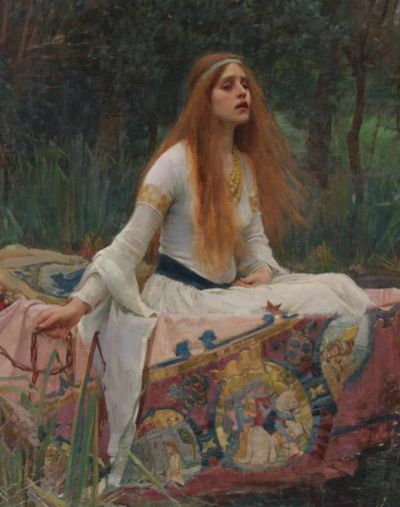
you can choose any of these images to study and copy at the workshop (please choose wisely according to your drawing level and experience)

Woman smelling roses with a serene expression.

Copyright © 2026 Miami International Fine Arts - All Rights Reserved.


Powered by

Cookie Policy

This website uses cookies. By continuing to use this site, you accept our use of cookies.

Accept & Close